
Suresh K. Verma
School of Computer Engineering
Faculty Profile

Suresh K. Verma

Scientist

Regular

Biography and academic profile

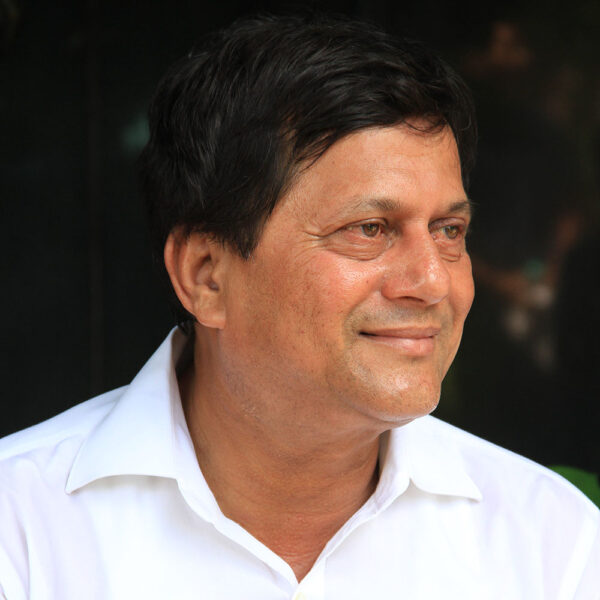
Dr. Suresh K. Verma is a scientist involved in the research and teaching activities in KIIT. He is engaged primarily with DBT builder project at KIIT school of biotechnology sponsored by Department of Biotechnology(DBT), Gov. of India. He works in inter-disciplinary science related with materials science and biotechnology. He is one of the proud alumni of KIIT university who has completed his M.Sc. Biotechnology and Ph.D. (Biotechnology) from KIIT University in 2018. He has completed his post- doctoral studies in Karolinska institute, Stockholm, Sweden and Uppsala university, Uppsala, Sweden in the field of Nanobiotechnology. He has been the member of Graphene flagship project funded by European union horizon 2020. He has also been awarded with Carl Tryger fellowship (Sweden) during his postdoctoral tenure. His research studies have been published in many high reputed flagship journals like Science Advances, Green chemistry, Materials Today. He is also associated with many journals like Scientific reports (Springer nature), SN Applied Sciences as Associate Editor and numerous journals from Elsevier, Springer, Willy publishing house as Scientific reviewer. He has also been awarded as Royal Society of Chemistry (RSC) membership (MRSC) in 2023. At present he is coordinating the Zebrafish research facility and Advance imaging facility in KKIT School of Biotechnology.

Academic profile

Expertise, contributions
and professional engagement.

Only the sections completed and approved for this faculty profile are shown below.

01

Educational Qualifications

Ph.D.

02

Awards and Achievements

  • Post-doctoral fellowship Award in Graphene flagship project at Karolinska Institute (Sweden) sponsored by European Union (Horizon 2020).
  • Carl Tryger fellowship at Uppsala University (Sweden).
  • Honored by Royal Society of Chemistry(UK) as MRSC.
School of Computer Engineering

Discover the people shaping
computing education.